
Home-Product Center-Embodied Intelligence
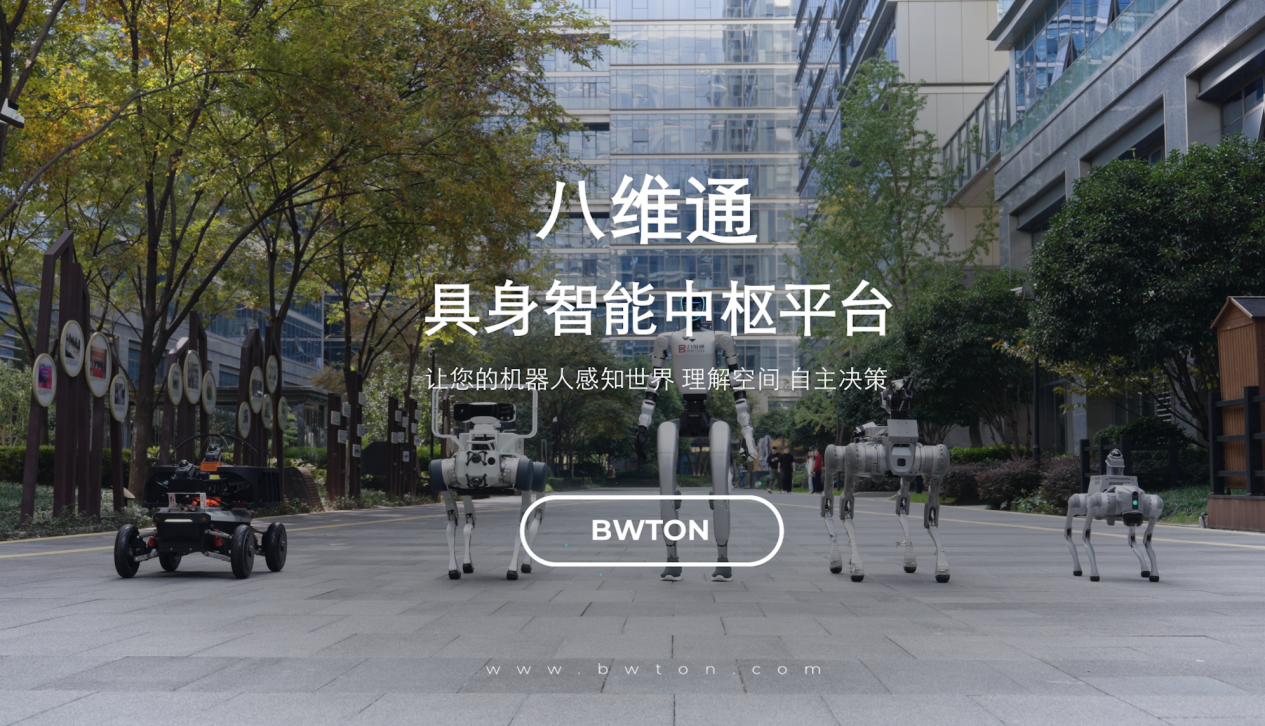
Embodied Intelligence Hub Platform


The "Super Brain" of Robots, Driving an Intelligent Future

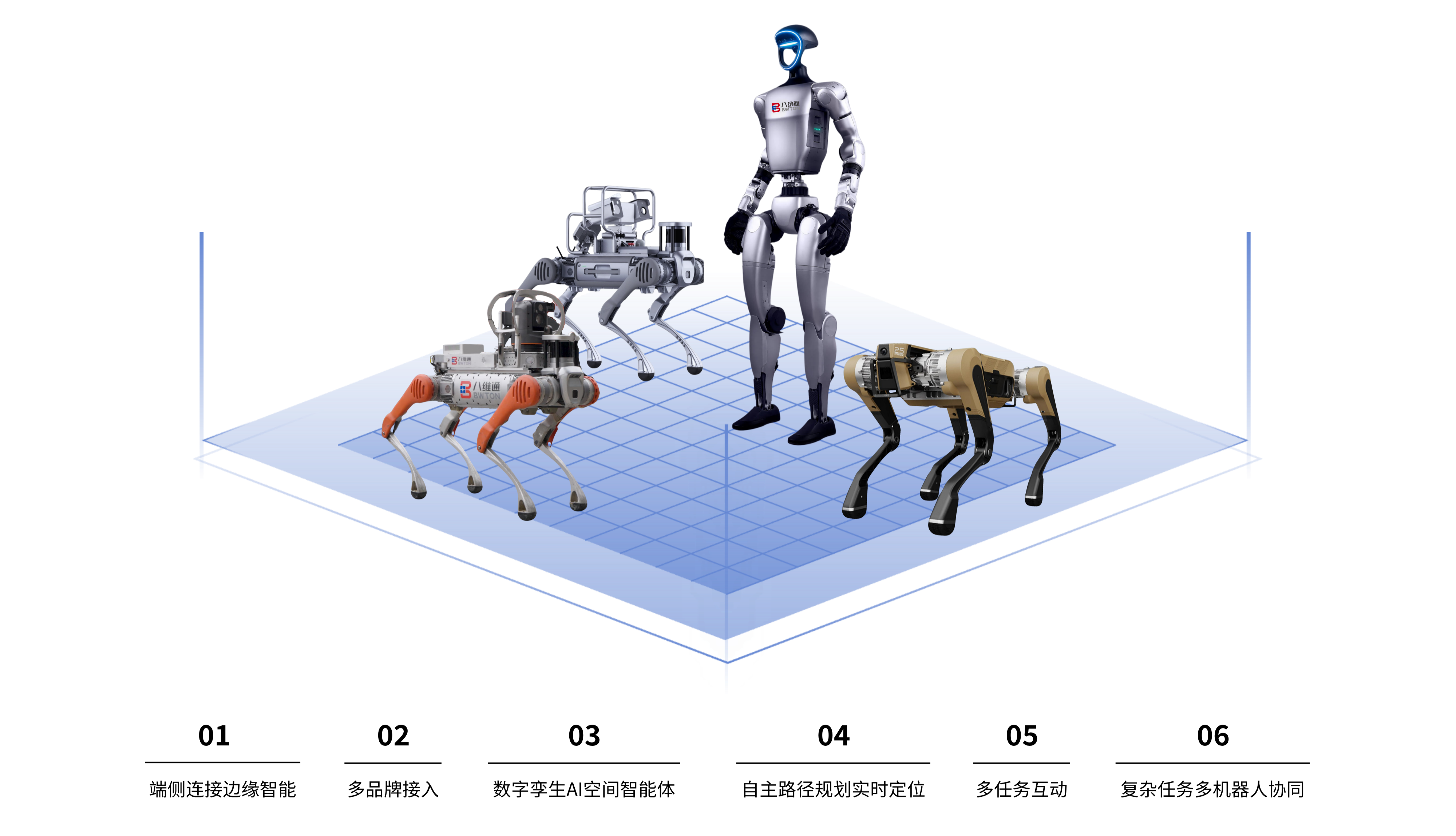
The Embodied Intelligence Hub Platform serves as the core decision-making and control center for multi-scenario intelligent robots. By integrating spatial intelligence, multimodal perception and large AI model technologies, it builds a full-stack capability system covering autonomous robot positioning and navigation, cluster scheduling, virtual-real interaction and task decision-making. Focusing on complex scenarios such as inspection, security, logistics and guidance, it empowers robots with autonomous decision-making, environmental semantic understanding and precise motion execution through edge computing and end-to-end reinforcement learning, realizing the intelligent upgrade from single tasks to complex processes. Adopting a cloud-edge architecture of "central hub + edge brain", the platform supports flexible switching between offline and online modes to ensure stable robot operation in complex environments. It enables rapid access of third-party systems and provides standardized APIs to lower development barriers and accelerate the large-scale implementation of industrial embodied intelligence applications.



Four Breakthrough Technology Engines

  • Virtual-Physical Fusion Semantic Understanding

    Enabling machines to truly "perceive" the world

  • Autonomous Decision-Making Center

    A paradigm shift from "passive response" to "active thinking"

  • Multi-Robot Cluster Collaboration

    Heterogeneous integration, unified scheduling, intelligent overall control

  • Open Ecosystem Empowerment

    Standardized API, one-click integration, accelerating the intelligent future


Inject Unprecedented "Intelligence" and "Capability" into Robots
  • Virtual-Physical Fusion Semantic Understanding

    Technical Initiative: The first domestic platform that deeply applies virtual-physical fusion technology to embodied intelligent spatial semantic understanding.

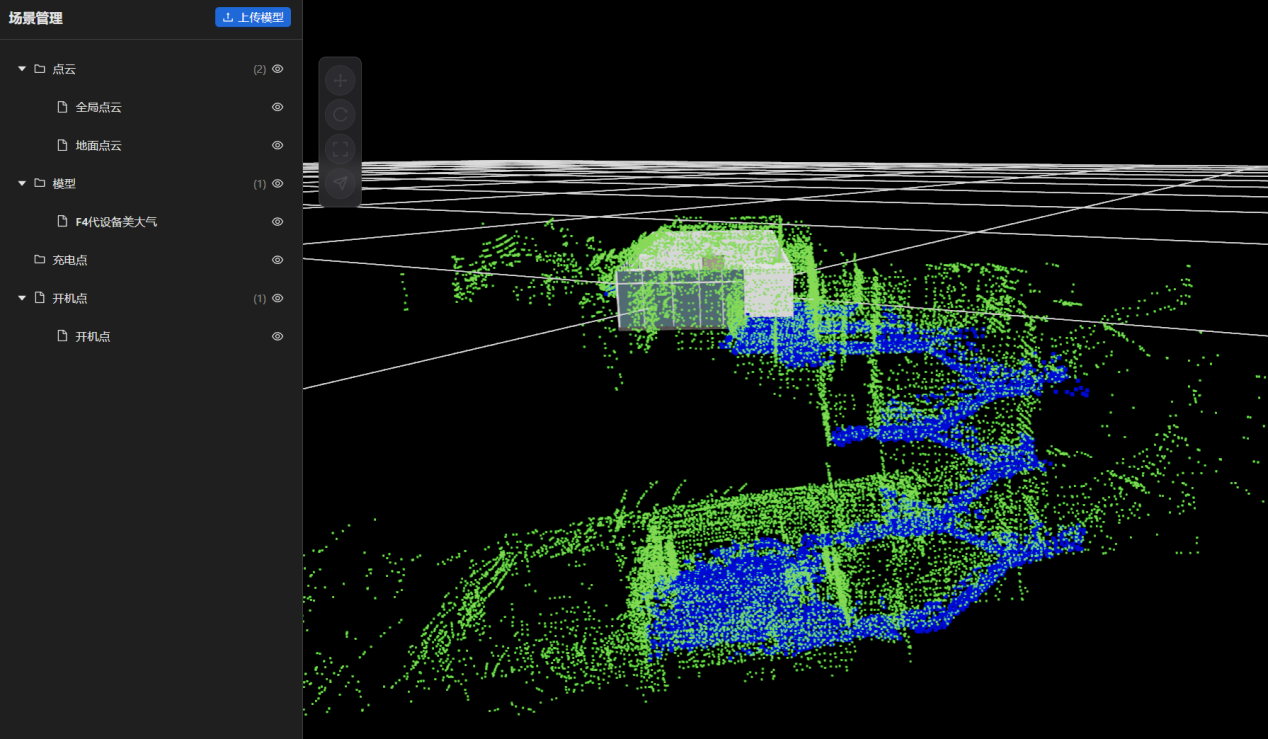
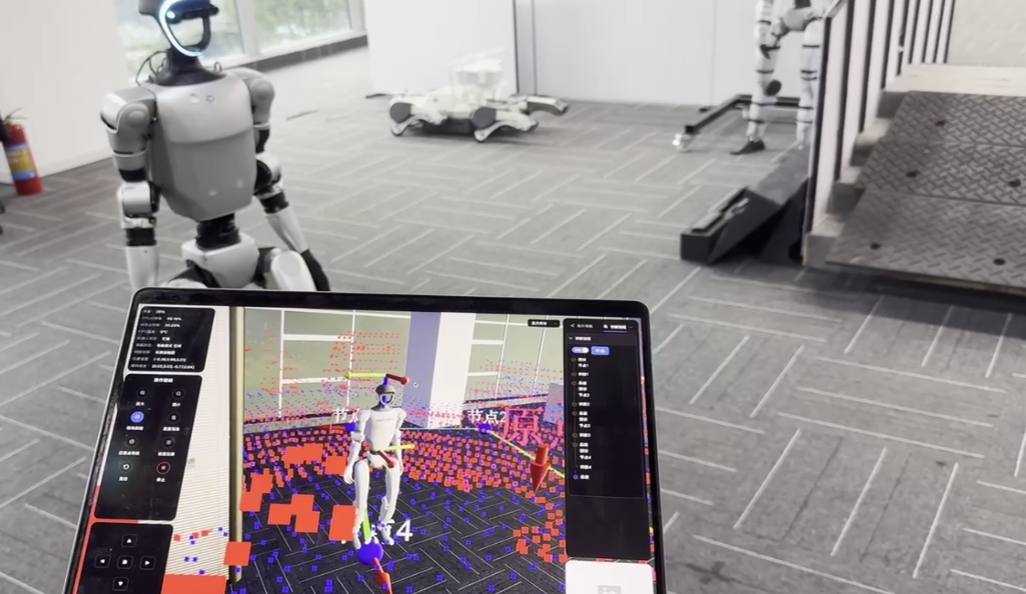
    Core Capability: By constructing a high-precision 3D spatial semantic map, robots can accurately analyze spatial functional zones, identify environmental details and object attributes, and perceive complex spaces just like humans.

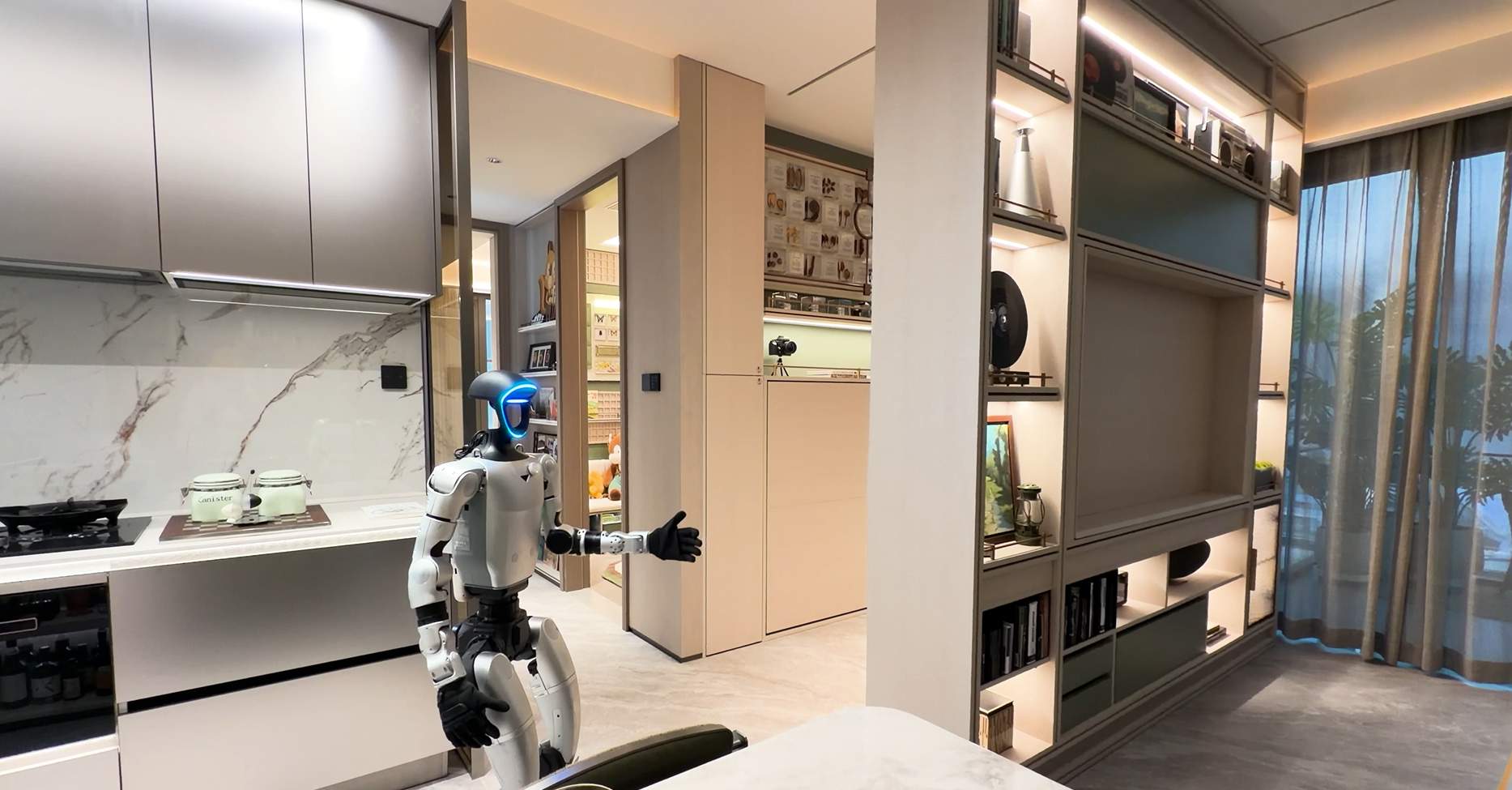
    Value Empowerment: It enables in-depth understanding of the physical world and proactively predicts potential risks, laying a cognitive foundation for robots to operate safely and intelligently in complex dynamic environments and ushering in a new era of embodied intelligence cognition.

  • Autonomous Decision-Making Center

    Technical Foundation: Deeply integrates end-to-end motion control and multimodal large models, breaking the passive reaction loop of traditional robots of "sensor reception – central processing – instruction output".

    Core Capability: Empowers robots with predictive active response and decision-making capabilities, enabling them to understand current environments and tasks, predict dynamic changes, and plan long-term action paths.

    Value Empowerment: It achieves a qualitative leap from passive execution to active thinking, and from simple planning to complex intelligent decision-making, allowing robots to calmly cope with unknown challenges.

  • Multi-Robot Cluster Collaboration

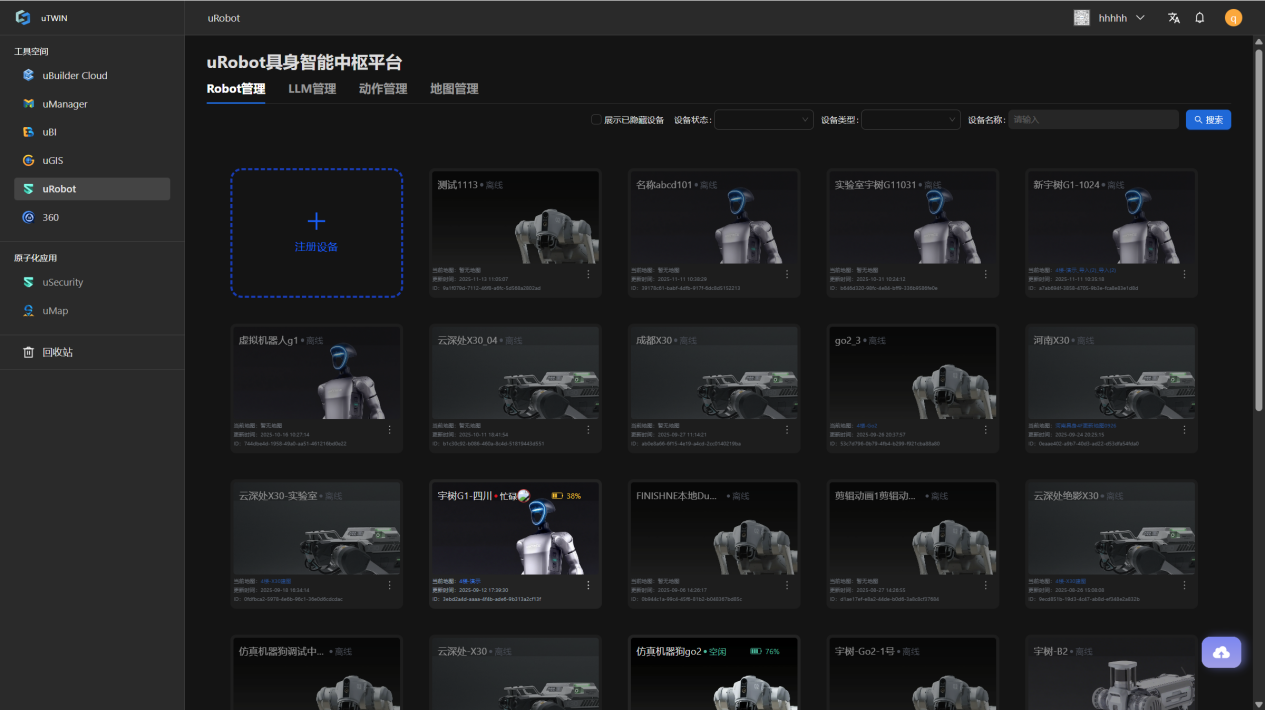
    Wide Compatibility: Easily compatible with mainstream heterogeneous robot brands, breaking technical barriers between devices.

    Intelligent Scheduling: Coordinates and commands multiple types of robots through a unified and efficient intelligent scheduling system.

    Stable & Reliable: In case of exceptions during task execution, the system can take over automatically and seamlessly to ensure operational continuity and stability.

    Efficiency Multiplication: Actual tests show the overall operational efficiency can be increased by up to 300%. It realizes complementary advantages and efficient collaboration of multiple robots, easily tackling complex tasks beyond the reach of a single robot.

  • Open Ecosystem Empowerment

    Open Concept: Adhering to the philosophy of openness and win-win cooperation, it opens core robot capabilities via standardized APIs.

    Convenient Integration: Supports one-click integration of robot functions into business systems with seamless connection, greatly lowering development barriers and integration costs.

    Efficient Implementation: Shortens the delivery cycle of intelligent projects by 70%, enabling enterprises to rapidly deploy robot applications without massive development resources.

    Value Co-Creation: Helps enterprises accelerate intelligent transformation, seize market opportunities, and jointly build an intelligent future.