|
Model
|
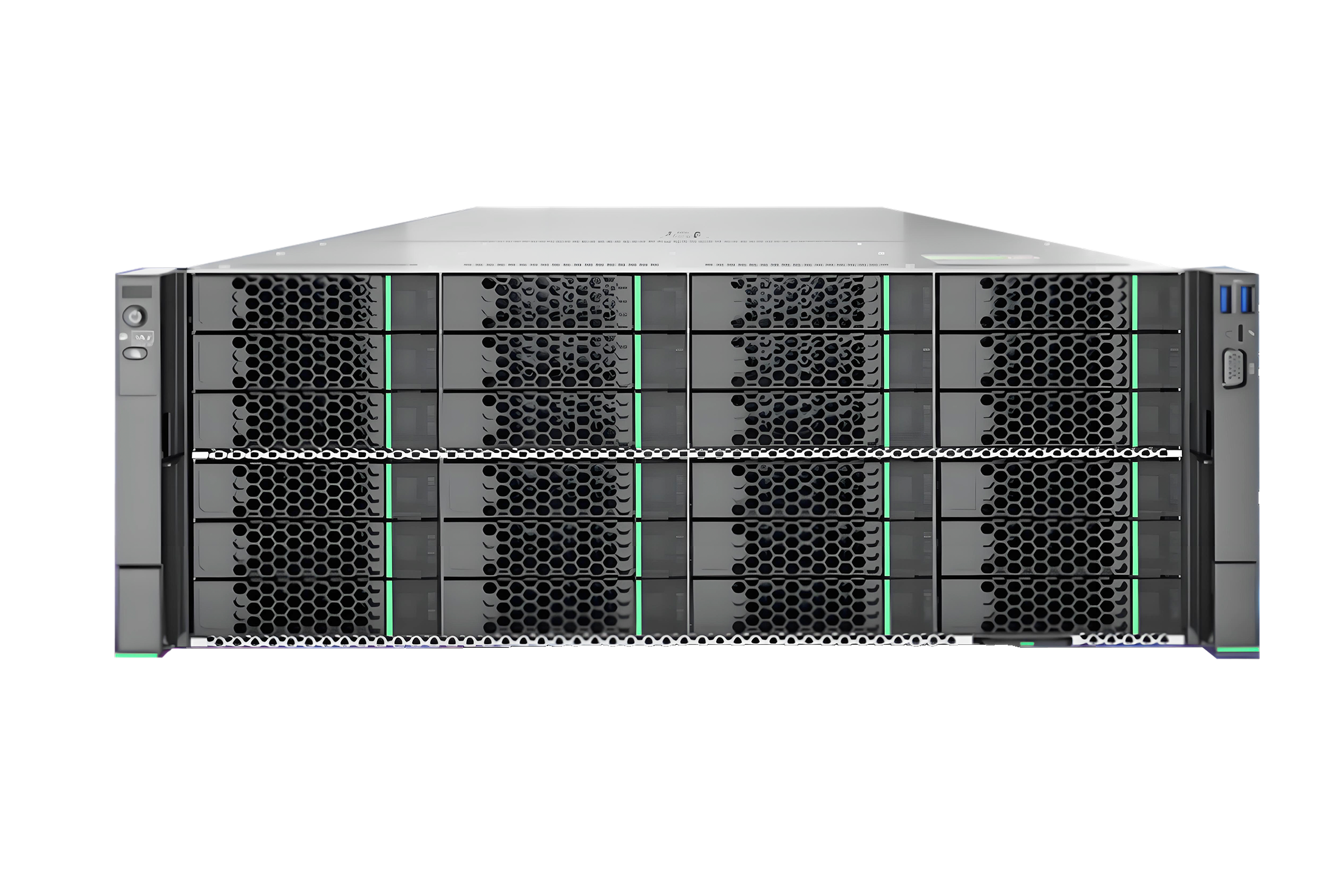
Kaiwu 1000
|
|
System Architecture
|
Fully symmetric distributed architecture without centralized metadata management
|
|
Node Quantity
|
Unlimited
|
|
CPU Model
|
1 or 2 Intel, Kunpeng, Hygon and Phytium processors
|
|
Maximum Memory Capacity
|
No less than 128GB
|
|
Data Disk Type
|
3.5-inch HDD
|
|
Network
|
10/25/40/100Gb/s RoCEv2, 100/200 Gb/s InfiniBand
|
|
Storage Protocol
|
Supports NFS, CIFS, SMB, POSIX, S3, etc.
|
|
Key Features
|
Versioning management, lifecycle management, intelligent EC erasure coding, intelligent reconstruction, intelligent tiering, small file aggregation, data load balancing, object append write, object regional read, WORM, synchronous replication, asynchronous replication, slow disk isolation, SSD lifespan detection, container deployment, directory preheating, directory quota
|
|
Data Integrity
|
Supports end-to-end data integrity verification, bit-level protection, and fine-grained single file data recovery
|
|
Data Protection
|
Supports EC erasure coding (N+M redundancy with M=2, 3 or 4) and multiple replicas
|
|
Security
|
Supports data security domain isolation; server-side encryption including SSE-S3 and SSE-C; local user identity management and seamless integration with NIS/LDAP/AD domains
|
|
System Management
|
Web/CLI management, alarm logs, performance monitoring, operating status monitoring, unified multi-cluster management
|
|
Device Management
|
Hardware status monitoring and alarm for CPU, memory, network ports, hard disks, fans, power supplies and other components
|
|
Deployment Mode
|
Distributed storage all-in-one appliance deployment, SDS storage system software deployment
|









 浙公网安备33010802008444号